Practical thinking on AI implementation, strategy, and what it actually takes to make AI work inside a real business.
A frustrating task is not automatically a good automation project. These seven questions help you decide whether to move forward, narrow the scope, or fix something else first.
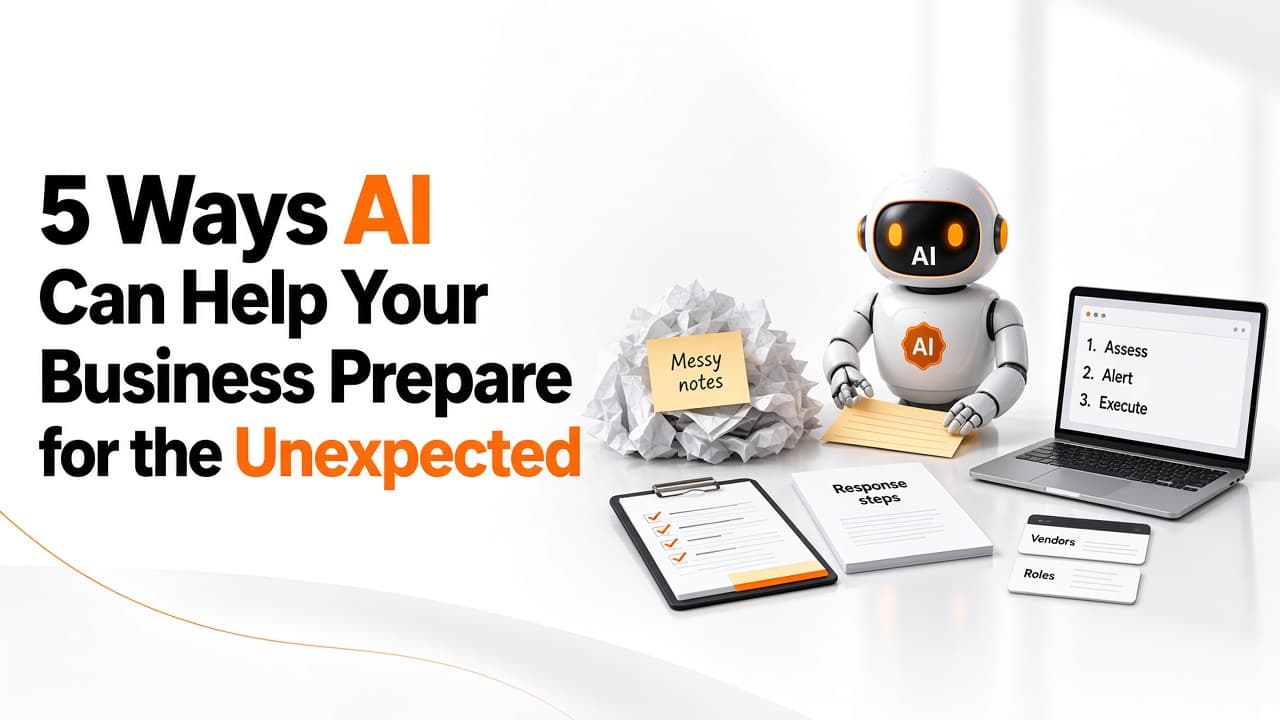
AI cannot write a complete disaster recovery plan. It can help your team document what they already know, ask better questions, and keep those plans from going stale.
An AI system can answer immediately and still be wrong if the records underneath it are incomplete, inconsistent, or out of date.
The best first AI project may not be a chatbot or a sales agent. It may be the spreadsheet, the follow-up, or the copy-and-paste nobody wants to do.
A company buys an AI tool, and three months later the original process is still frustrating. AI can speed up a good workflow — and a broken one.
AI is already in use at most small and midsize businesses, but many still lack formal guidelines. Here is how to close the governance gap without a 50-page policy.
Once AI agents can take action on behalf of your business, you need to know who owns them, what they can access, and who is responsible when something goes wrong.
Gartner predicts more than 40% of agentic AI projects will be canceled by the end of 2027. Here's why that happens — and how to avoid building an agent just because it's the newest thing.
Confidence in AI agents is growing faster than the evidence. Here's what 2026 data actually says about SMB AI agent ROI — and how to measure it before you invest.
A vendor demo can make almost any AI system look autonomous. Here's how to tell a real AI agent from a scripted chatbot — and when you don't need an agent at all.
Impressive AI demos do not create value. Here's how CEOs should decide where AI belongs, what should change, who owns it, and how success will be measured.
An AI roadmap can look impressive and still be useless. Here's what actually belongs on the plan — and the language that sounds strategic without telling anyone what to do next.
AI is everywhere, but not every project creates business value. The useful question for a small business is whether AI is improving time, cost, capacity, revenue, quality, or customer experience.
A new AI regulation headline does not mean your business needs a full compliance program. The useful question is which 2026 requirements actually apply to the way you use AI.
AI can absorb more work as a business grows — but only if leadership keeps visibility, ownership, quality, and cost under control as adoption expands.
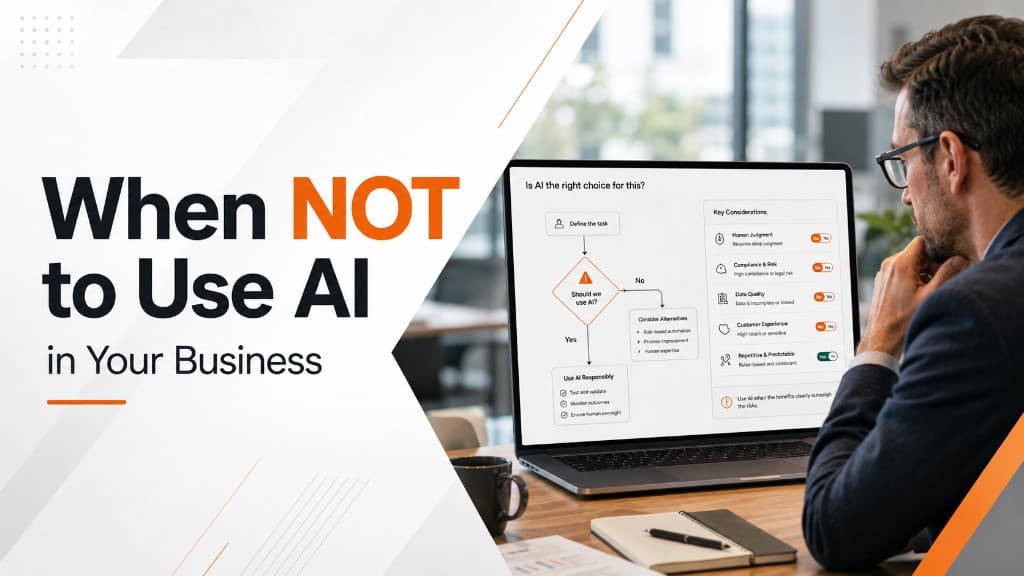
AI is one tool among many. Start with the problem, then decide whether AI, conventional automation, a process change — or doing nothing — is the better answer.
A fast AI launch can look like a win. The gap between a tool that works today and one the business can maintain, govern, and scale is where AI technical debt begins.
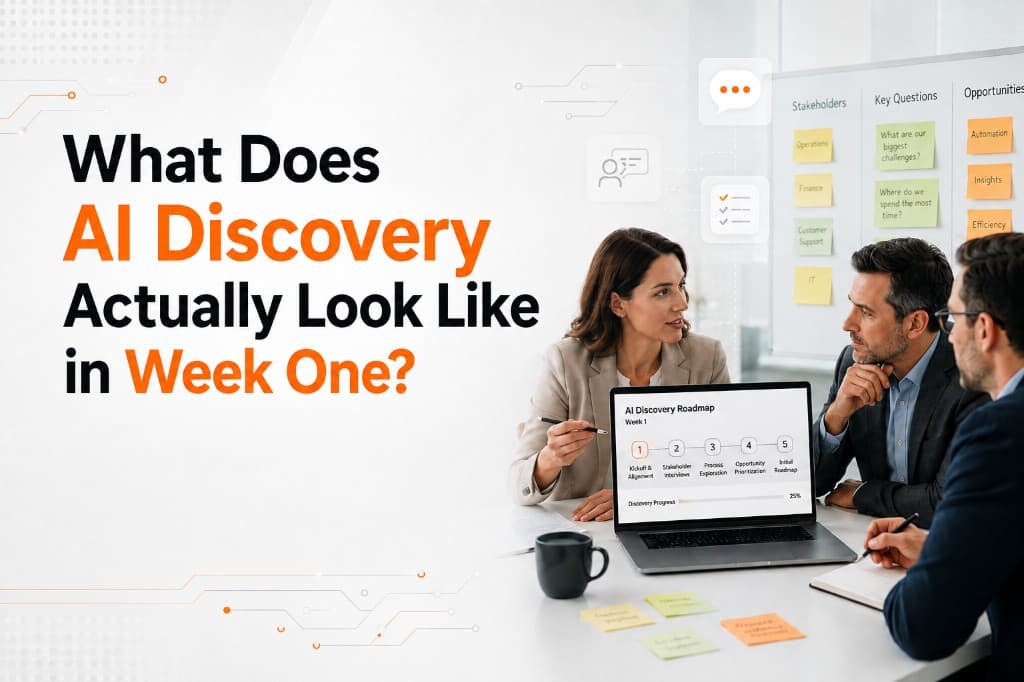
The first week of an AI project should probably be less exciting than you expect. A strong discovery week does not produce a stack of tools — it produces clarity.
A polished 20-minute demonstration is not proof the software will work inside your business. Ask these three questions before your next AI vendor demo.
A chatbot that drafts emails is not the same as AI moving work through your systems. Here's how to tell the difference — and why it changes cost, risk, and ROI.
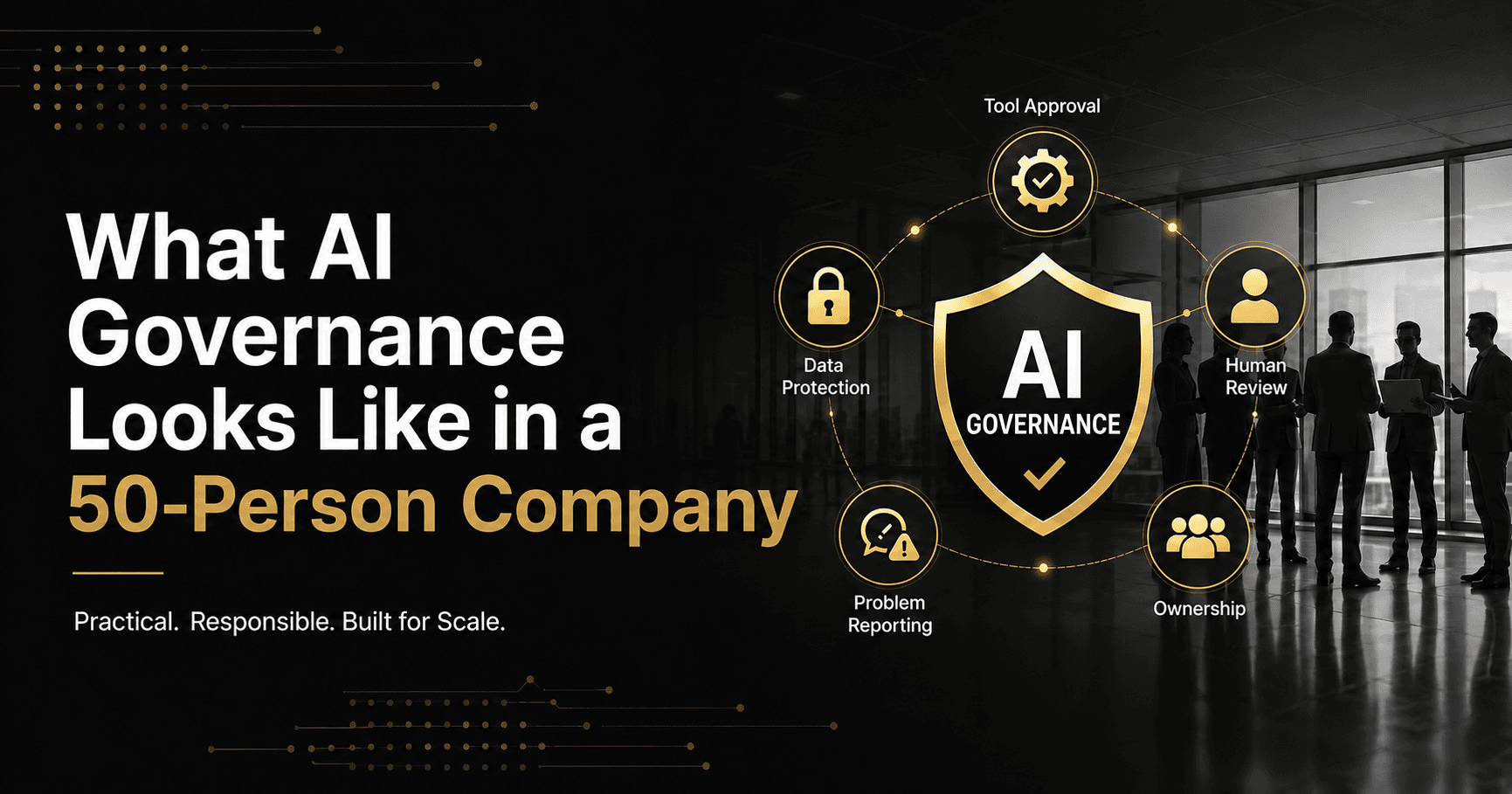
Enterprise governance frameworks are overkill for a 50-person company — but no framework at all is worse. Here's what the right amount of structure actually looks like at your scale.
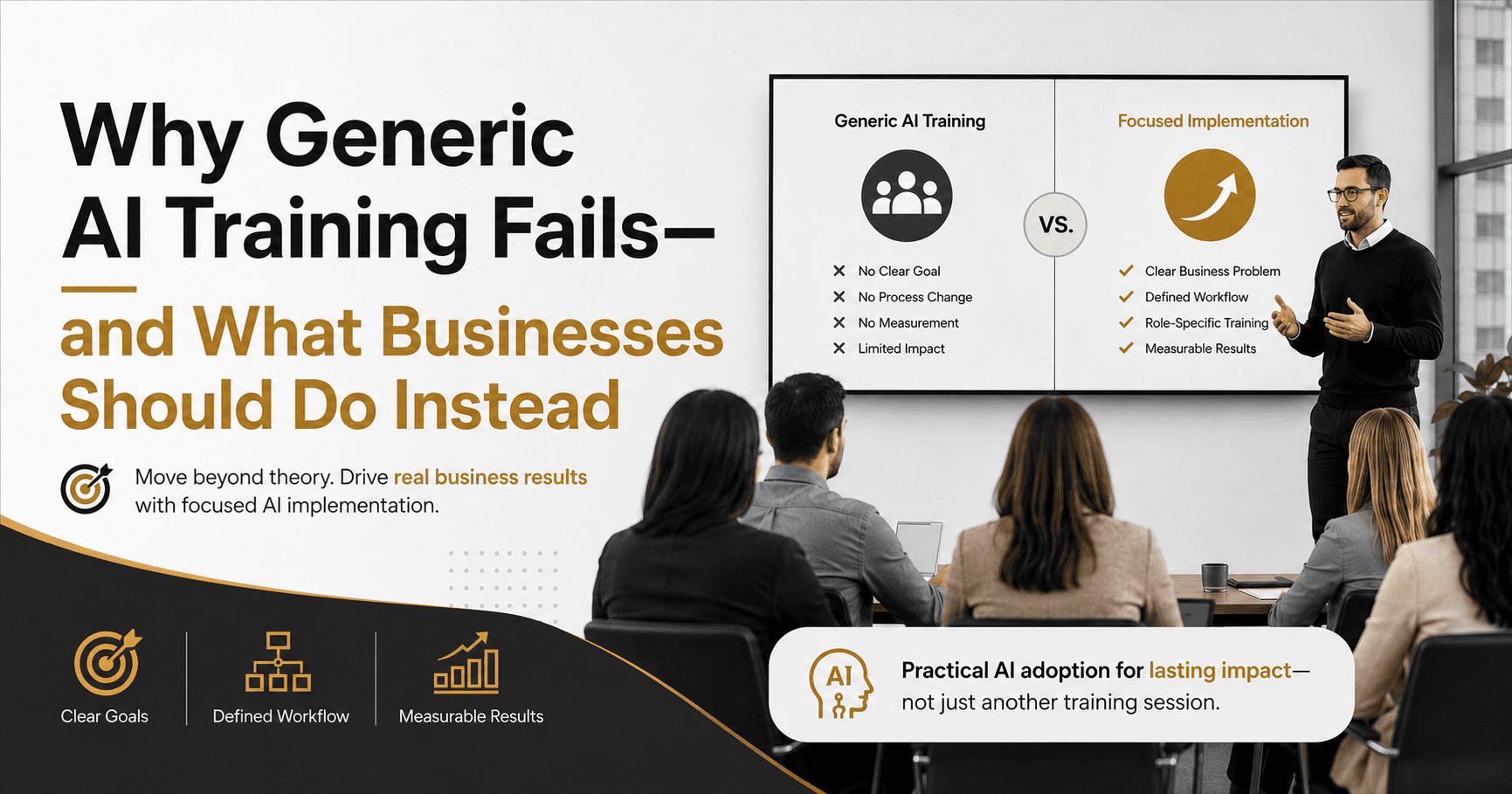
Broad AI workshops feel like progress, but weeks later nothing has changed. Here's why training without a defined workflow rarely moves the numbers — and what to do instead.
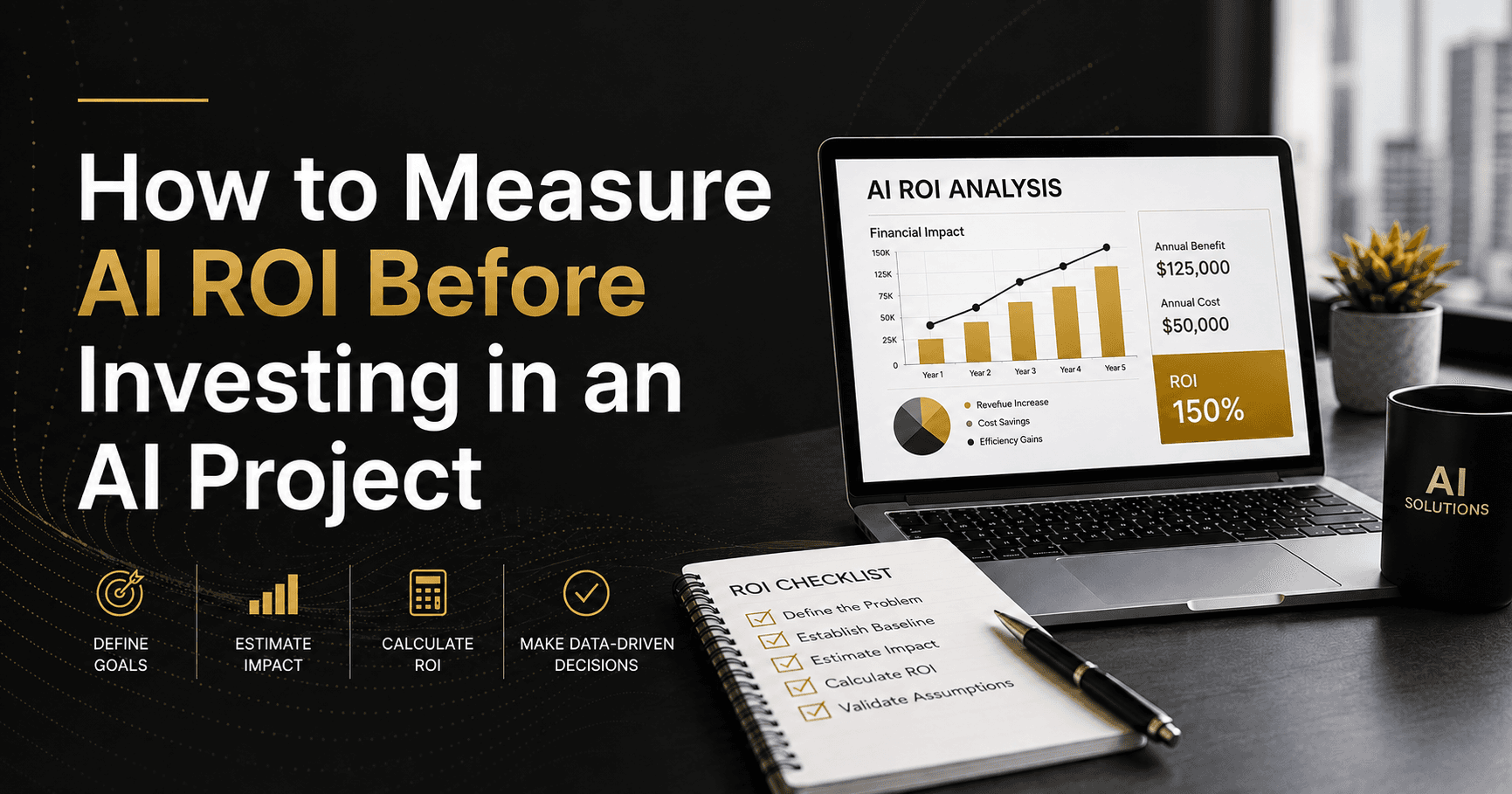
AI vendors are quick to say what their technology can do. Fewer can say how success will be measured. Here's how to build a real business case for AI before you spend a dollar on it.
Whether to build custom AI or buy off-the-shelf sounds like a technology decision. Most of the time it's really a business decision about differentiation, cost, and control.
Getting an AI pilot to work is the easy part. Turning it into a real business system is where most projects die. Here's how to tell whether a pilot is worth scaling.
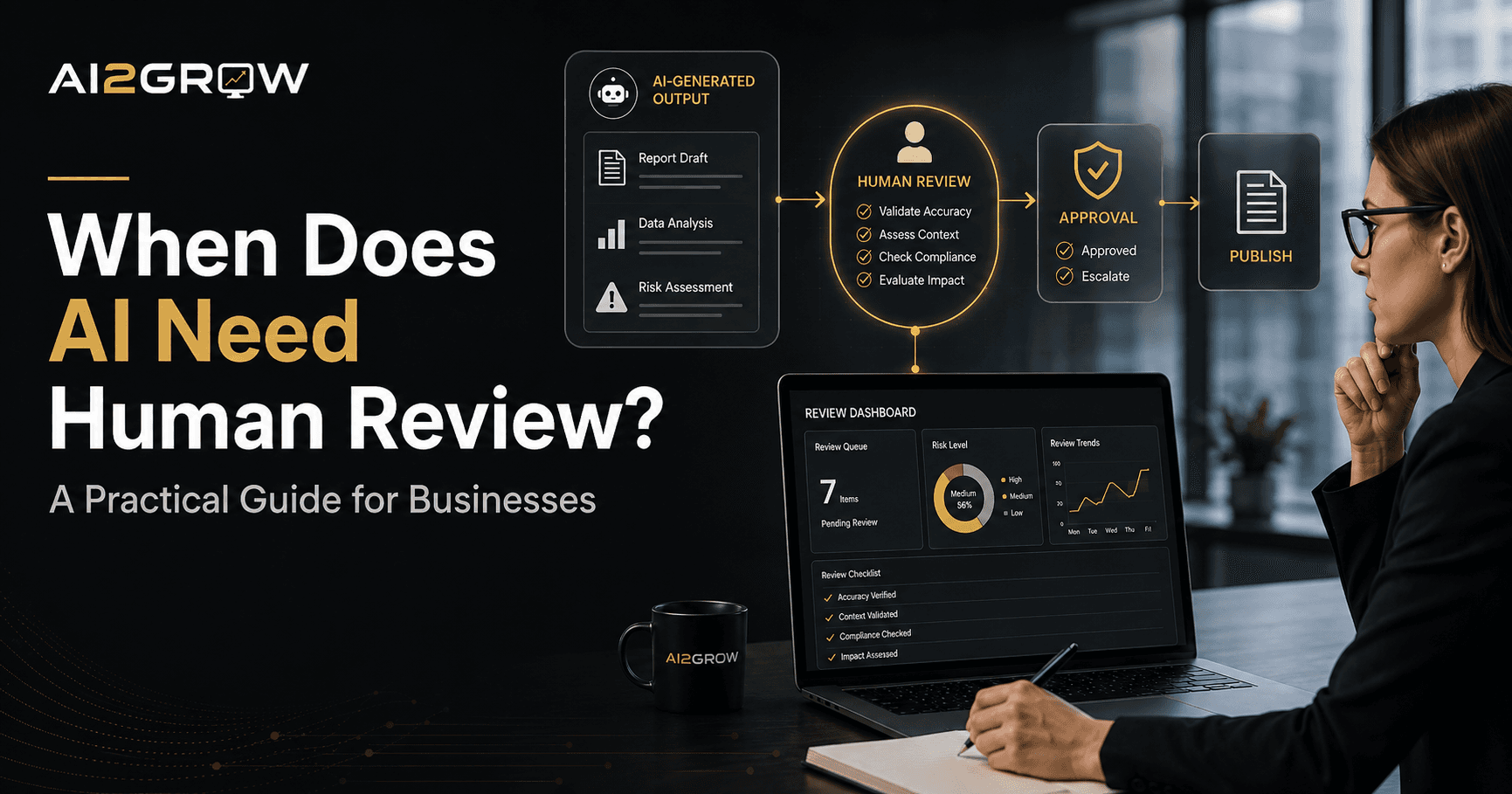
AI can automate almost anything — but that doesn't mean it should. Here's how to decide where human oversight belongs in your AI workflows, without killing the efficiency you're trying to gain.
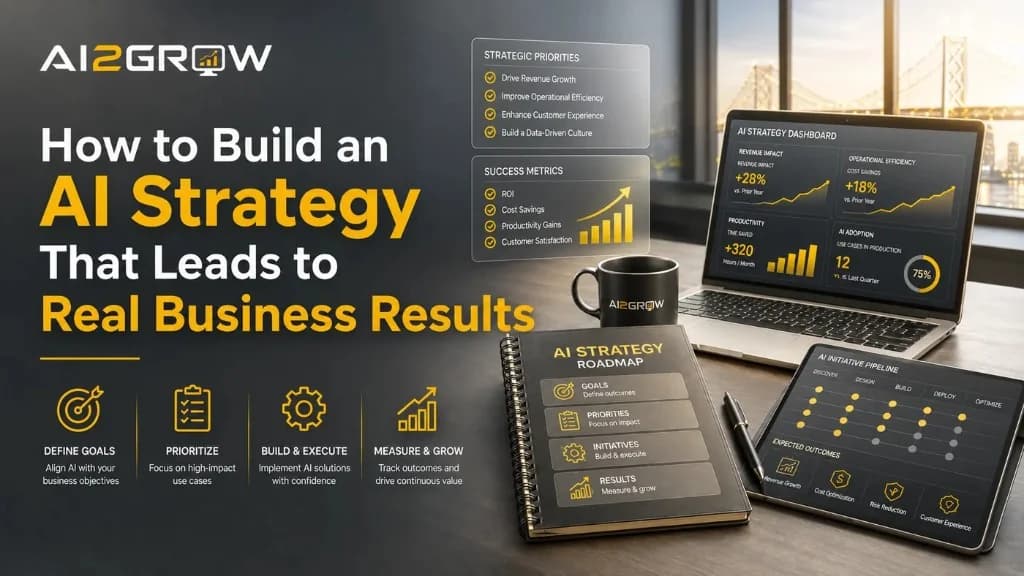
An AI strategy isn't a list of tools — it's business decisions about where AI creates value. A practical framework for building AI strategy that drives results.
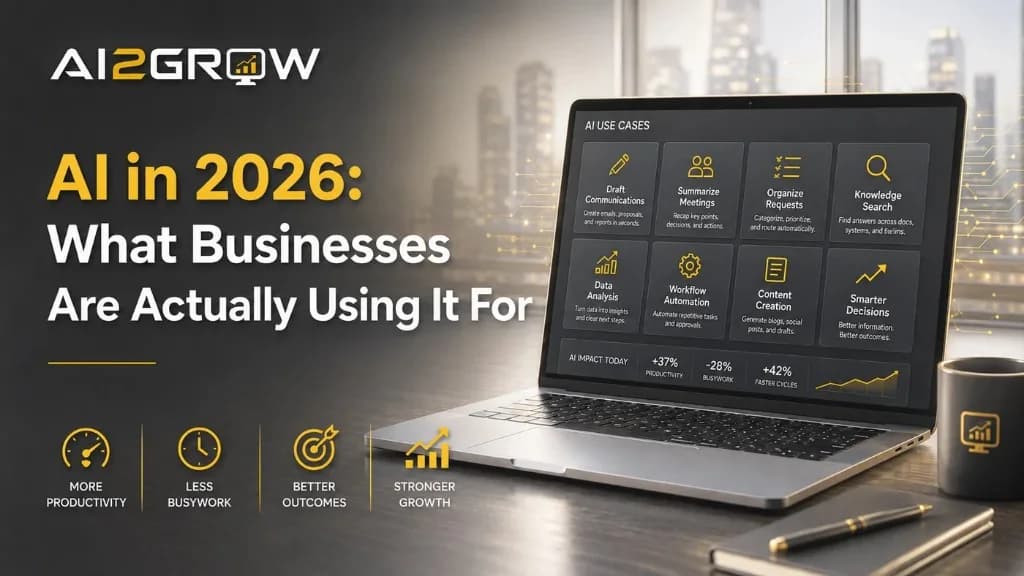
AI in 2026 is less dramatic than the headlines. See 10 practical ways businesses are actually using AI to cut busywork, organize information, and work faster.
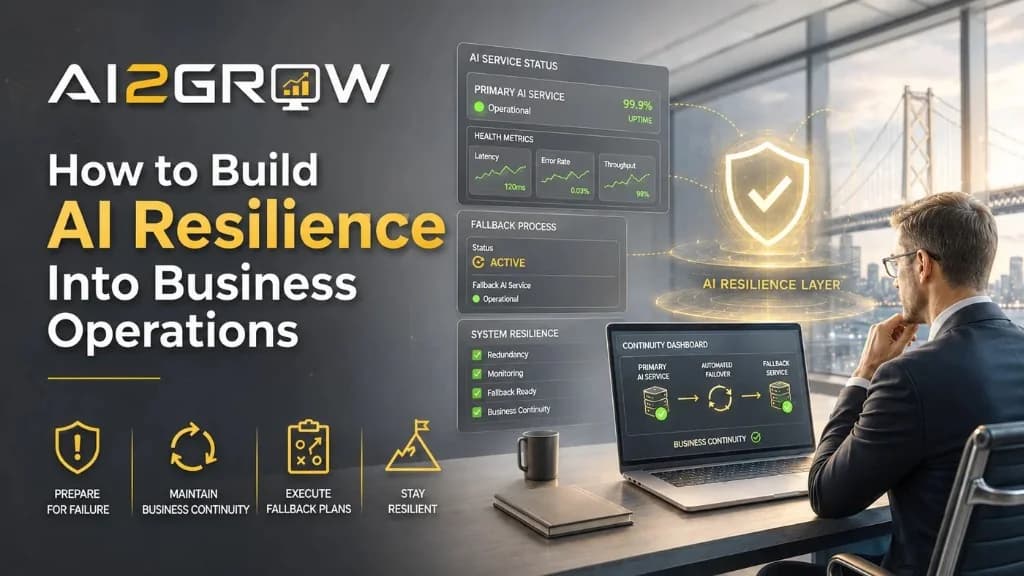
When a business depends on AI, planning for failure matters as much as success. Learn how to build AI resilience with fallback plans, oversight, and testing.
Generative AI consulting means working with an expert to figure out how generative AI can be applied to your specific business — and then doing the work of making that happen.
Business process optimization is the practice of improving how your business operates. AI has fundamentally changed what's possible — here's how.
AI automation and AI implementation are not the same thing. Understanding the difference could save your business from a very expensive mistake.
Small businesses don't need enterprise AI. They need AI that fits their actual operations. Here's what AI implementation looks like for businesses of 10–250 employees.
AI implementation costs vary widely — and most pricing you find online is misleading. Here's an honest breakdown of what real AI implementation actually costs.
When we tell people that AI2Grow turns away the majority of businesses that reach out to us, the reaction is usually surprise. Here's the honest reason why.
Businesses spend enormous energy on which AI tools to buy. Almost none spend enough time on what matters most after go-live: how do we govern this?
There's no shortage of AI advice for CEOs right now. Most of it is noise. Here's a clearer framework for thinking about AI practically and strategically.
Most businesses that struggle with AI implementation have one thing in common — they weren't ready when they started. Here's how to know if you are.
Off-the-shelf AI tools are faster and cheaper upfront. Custom AI solutions are built for how your business actually operates. Here's how to decide.
You've probably come across the term 'AI implementation partner.' But what does it actually mean — and how is it different from a consultant or AI software?
Week after week, another business announces they're implementing AI. Six months later, nothing has changed. Here's why — and how to overcome it.